
About John Faisandier
The Pattern I Couldn’t Ignore
Early in my career, I worked closely with people navigating vulnerability, conflict, and major life transitions.
What struck me wasn’t just behaviour it was how difficult emotion was to manage under pressure.
People avoided. They reacted. They escalated. And relationships suffered.
Years later, I recognised the same pattern in workplaces.
Capable, intelligent managers were promoted without ever being trained to regulate themselves under stress.
The context was different. The pattern was identical.
That realisation shaped everything that followed.

Childhood patterns often play out in adulthood when you are under pressure.
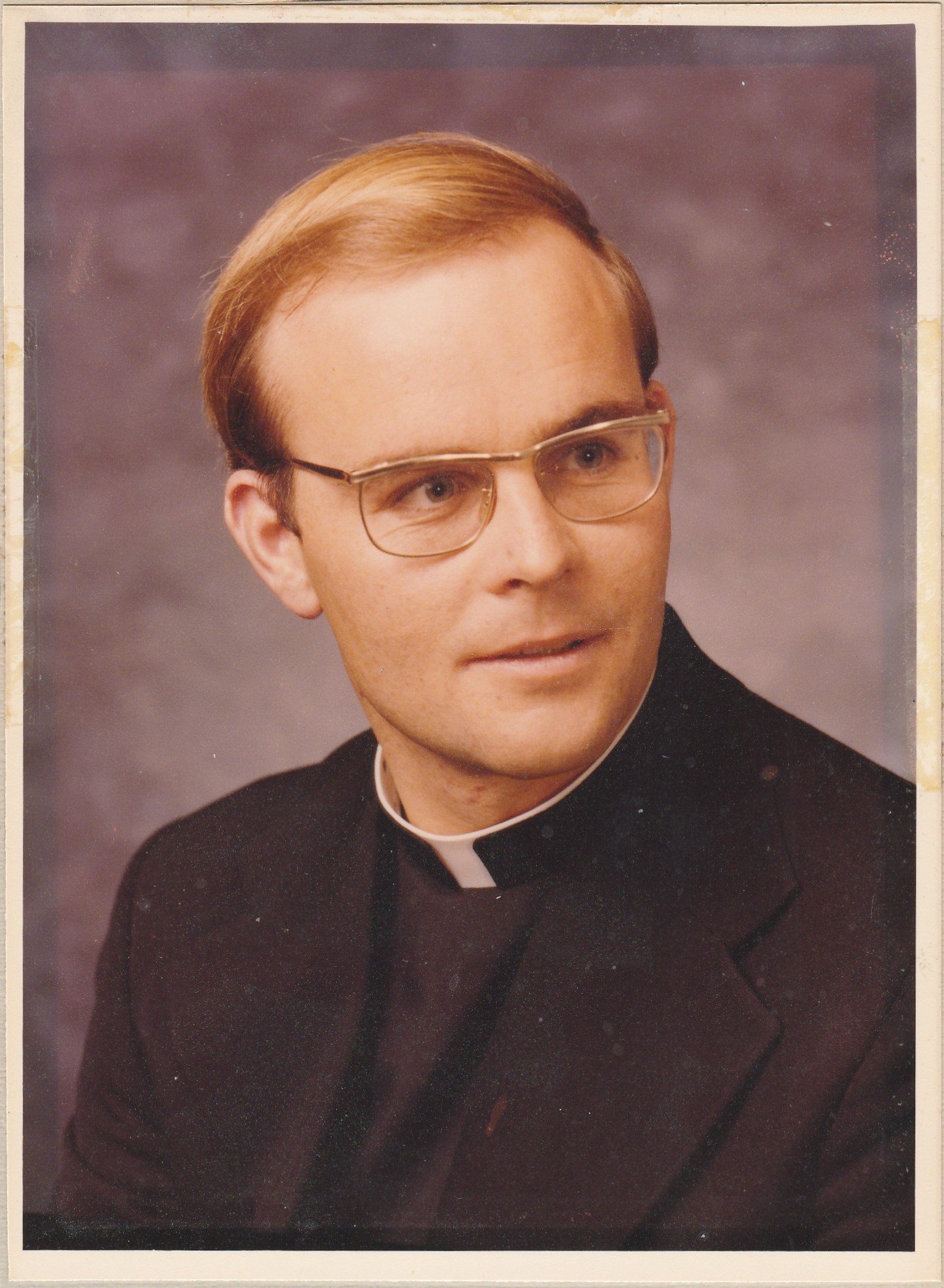
Formation in pastoral leadership. 19 years of learning and working as a priest have given me valuable insights into how people live.
(That’s me newly minted)
Experience That Shaped This Work
Before moving fully into organisational leadership development, I spent 19 years as a Catholic priest.
That vocation placed me alongside people at every stage of life — from birth to death — often in moments of conflict, grief, celebration, tension, and transition.
It was formative.
It required deep personal development, emotional maturity, and the humility to grow. That chapter and what followed demanded growth. I embraced it. That personal development continues to shape the way I work today.
I have worked with people my whole life. The settings changed. The pattern did not.
The Work That Built This
I hold degrees in Anthropology and Theology, a Master of Adult Education, and a TEP qualification in Psychodrama — the clinical discipline of structured emotional development and behavioural change.
I worked as a psychodramatist at Queen Mary Hospital and have spent over two decades as a leadership development facilitator.
Across all of it, one principle kept proving itself true:
Emotional regulation under pressure is trainable.
And when it is learned, behaviour changes.
Former patients have returned decades later to say the work mattered.
Managers from programs run twenty years ago still reference what they learned.
Inspiration fades. Sustained capability does not.
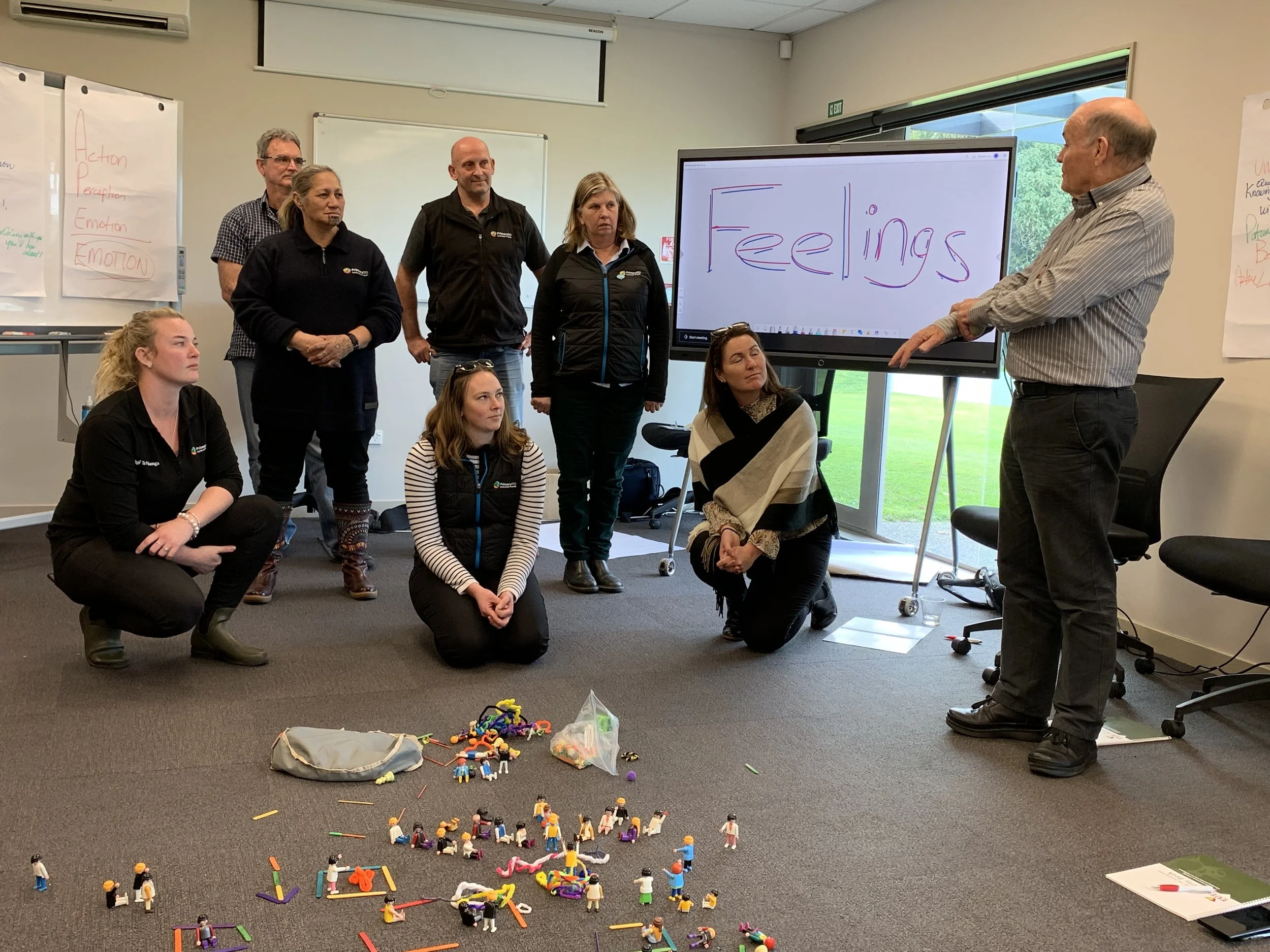
Action Methods engage learners, enhance skill uptake and have a lasting impact on memory and retention.
Philosophy
Conflict isn’t the enemy.
Avoidance is.
Most workplace tension escalates not because people are incapable, but because they haven’t been developed under pressure.
This is a capability issue — and it’s fixable.
When managers build that capability:
Escalations reduce
Authority strengthens
Teams stabilise
Stress decreases
Home life often improves
Nothing gives me greater satisfaction than helping people live and work better together.
Resilience is built through skill.

Avoiding conflict is
the problem.
And it’s fixable.
Today
Through Thriving Under Fire (TUF), I work with managers and organisations committed to building long-term conflict capability.
The work is practical. Structured. Applied.
And the change is visible.
If you’re seeing the patterns described across this site, they are trainable.
Book a diagnostic call, and let’s work out what needs to shift.
No pressure. Just clarity.
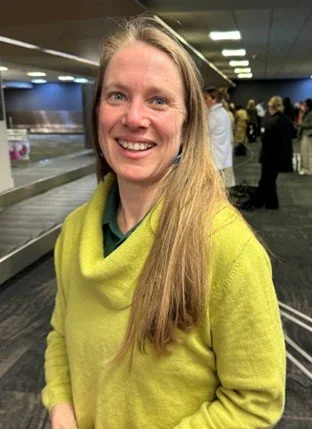
About Sarah Best
Senior Facilitator
Thriving Under Fire
Some trainers lose the room when things get real.
Sarah doesn't.
Road crews. Construction workers. Prison inmates who are parents. People who've never sat through a workshop willingly in their lives.
She meets them where they are — and they respond.
That's not an accident. That's twenty years of showing up for people in places most facilitators never go.
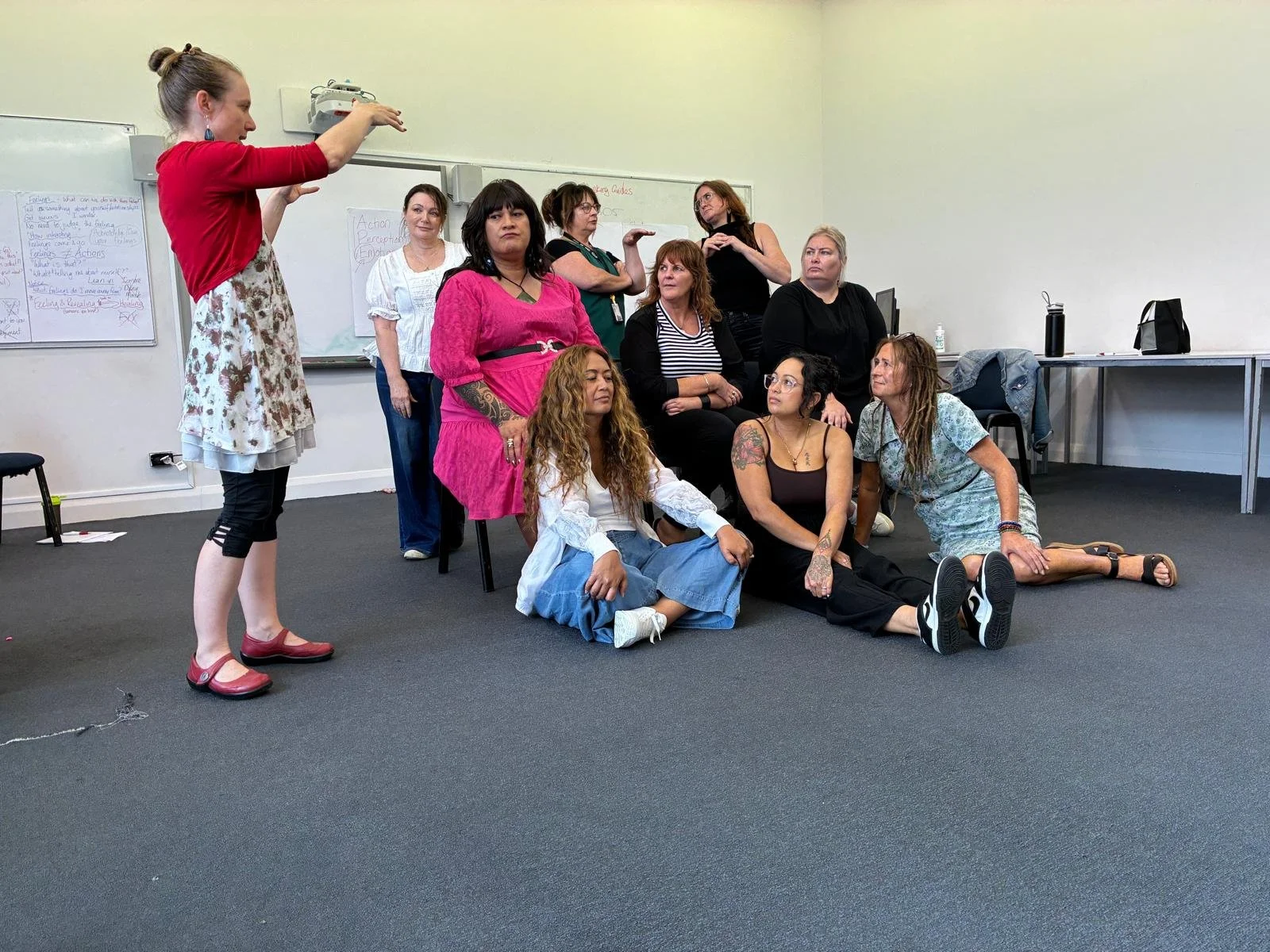
Sarah uses Action Methods to engage tutors in learning about the brain and regulating heightened emotion situations.
A Career Built on the Hard Yards
Sarah's facilitation experience spans New Zealand, London, and Bangladesh.
She has served as President and Education Convenor in Playcentre Aotearoa, National Delivery Manager, Coach and Kaiako for Brainwave Trust Aotearoa, and Leadership Consultant at BSI People Skills.
Her most formative work may be the least obvious on paper — facilitating the Growing Great Brains programme inside Corrections settings, for inmates who are parents.
That work demands more than skill. It demands presence, trust, and the ability to hold a room through discomfort without flinching.
Sarah does that well.
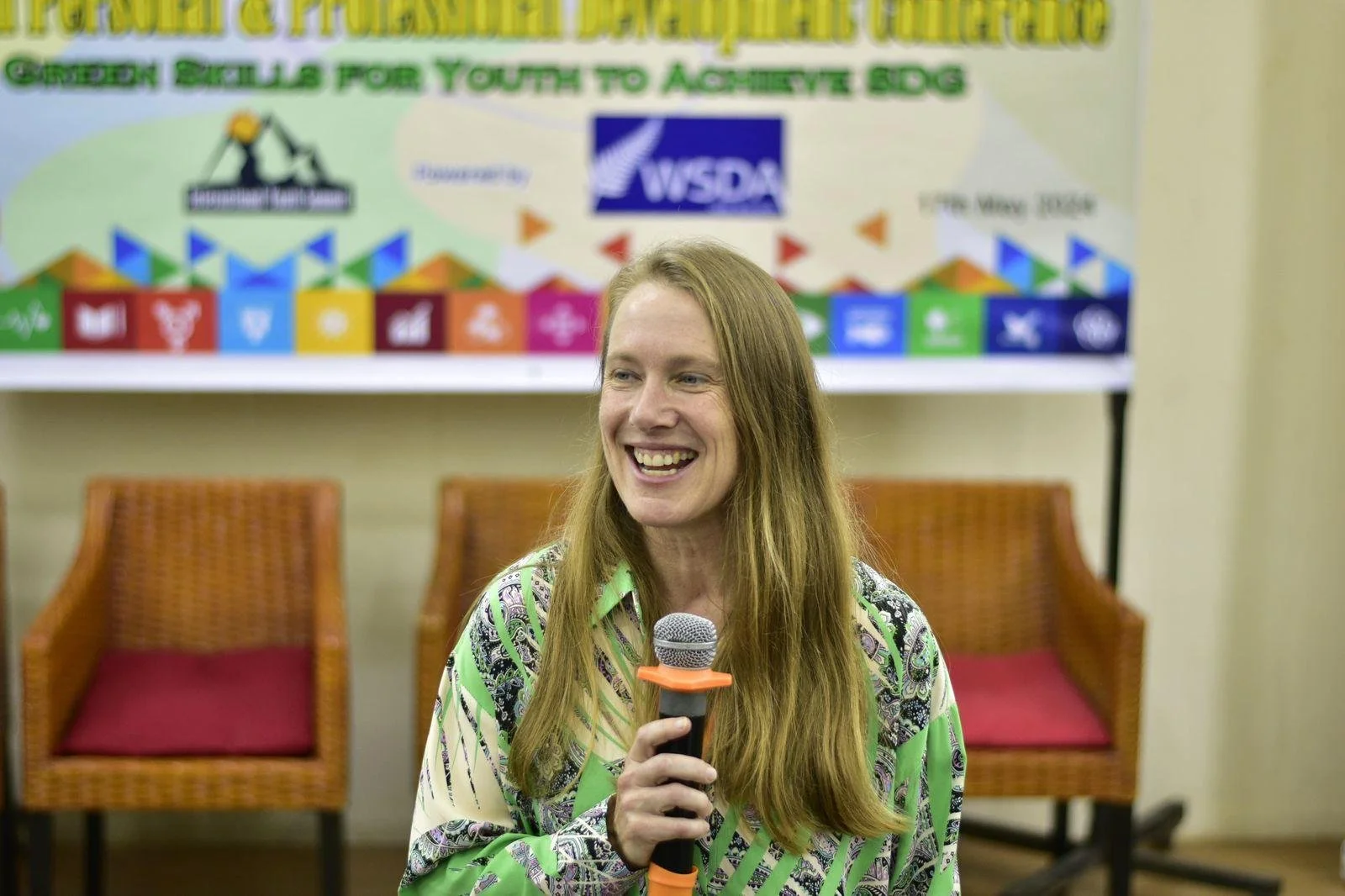
Sarah has extensive cross-cultural experience. Seen here facilitating learning in Bangladesh.
Cultural Competence.
Real Credentials.
Sarah is an internationally published author — Changing the World is Child's Play — and founder of the global Powerful Parenting Playground network.
She is a culturally competent facilitator of workshops exploring Te Tiriti o Waitangi and introducing participants to te reo and te ao Māori.
She has worked across many ethnicities and communities in many settings.
That breadth shows in how she reads a room — and how quickly people trust her in one.
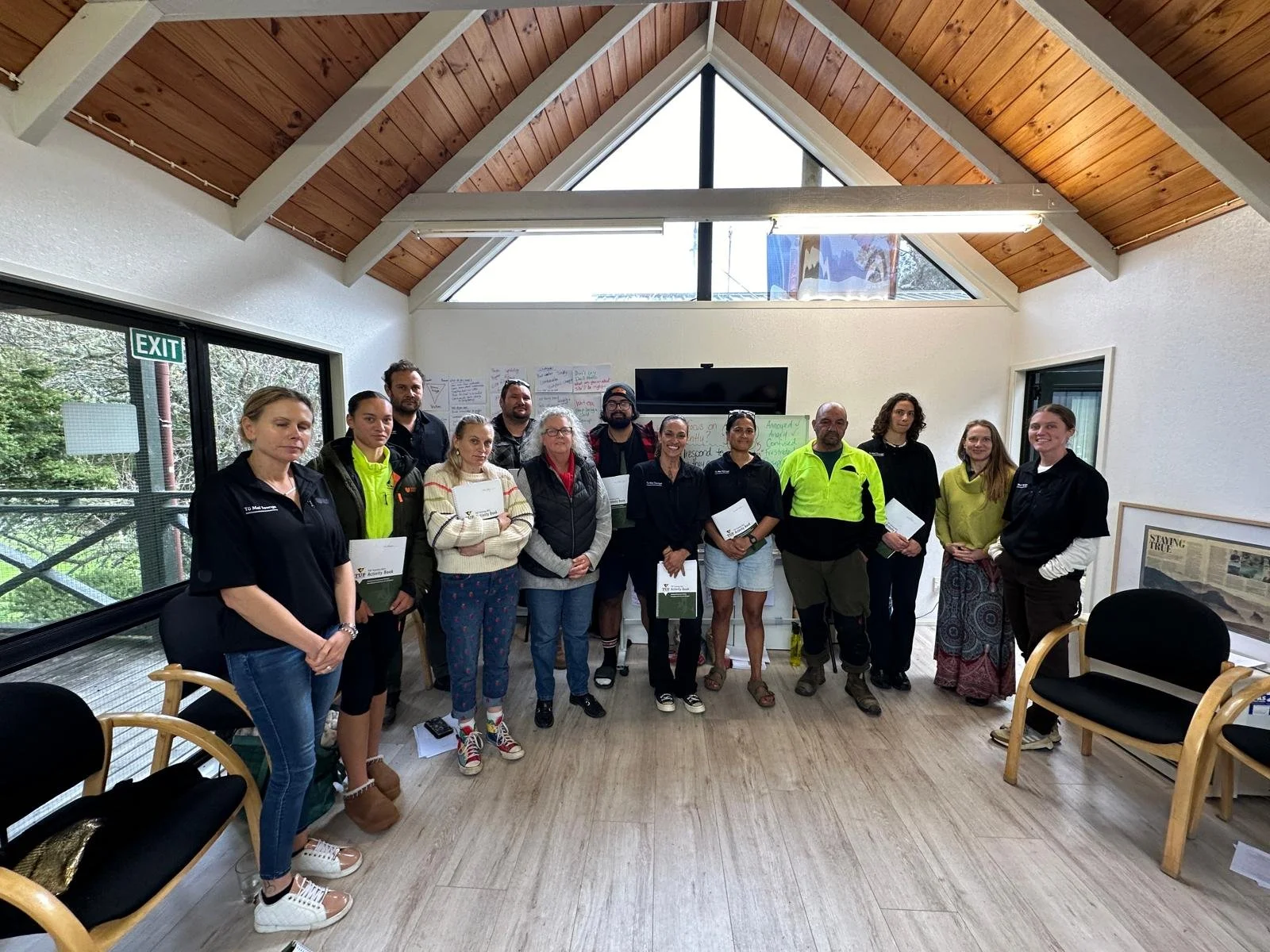
TUF training works in all kinds of situations. This group of pest control workers on Great Barrier Island enjoyed Sarah’s training.
Sarah’s Work with TUF
Sarah has been part of TUF workshops since 2019.
She completed the full TUF Facilitator Training in 2021 — a demanding process that includes self-directed learning, mentoring, and live facilitation under supervision. She is now a Senior Facilitator.
Her particular strength is combining TUF's emotional regulation tools with communication styles work.
Groups don't just learn how to stay calm. They learn why they communicate differently from each other — and how to have the hard conversations anyway.
That combination is practical. It's specific. And for frontline teams, it sticks.
Talk to Us About a Workshop
Sarah facilitates TUF workshops in person and online,
for both organisations and open programmes.
If you'd like to bring TUF training to your team,
book a call to discuss how we might be able to help.
About Thriving Under Fire
It Began in a Hospital.
I was running a psychodrama programme for patients dealing with addiction.
Confronting the trauma underneath the drinking and the drugging.
Those sessions got intense.
People would arrive anxious. Then something would surface — a memory, a feeling, a moment they'd buried — and that anxiety would turn to anger. Fast.
I learned quickly that what I did in those moments made all the difference.
Handle it right — they calmed down. They did the work. Sometimes they turned a corner.
Handle it wrong — the anger escalated. Walls got punched. Doors got slammed.
The session was over before it started.
That pressure-cooker environment taught me something I've never forgotten:
Emotional regulation isn't a soft skill. It's a survival skill.
Queen Mary Hospital, Hanmer Springs, NZ. Working with people in recovery from Drug and Alcohol Addictions taught me a lot about how emotions drive behaviour.
The Moment That Started Everything
When the hospital programme closed, I wanted to take that learning into workplaces.
Then came a chance meeting — a family member of a former patient, a bank executive, at exactly the moment their organisation was looking for training to help tellers handle upset and angry customers.
We ran a pilot. Two evening sessions, a week apart. After-hours, in a closed branch.
As we were about to start the second session, the branch manager pulled me aside.
"Not so many angry customers coming in," he said.
Then he stopped himself.
"Actually, the same customers are coming in. But the atmosphere is completely different."
That's when it clicked.
The customers hadn't changed. The staff had. And the staff's new approach was changing how customers responded.
That's the heart of TUF.
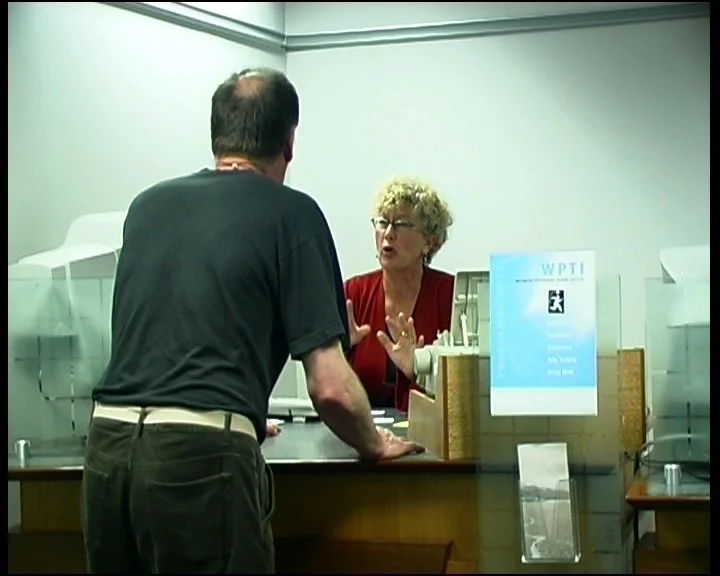
The beginning of TUF:
Bank tellers dealing with angry customers. They quickly learned that when they responded well to upset customers, the customers calmed down - and even became friendly.
What the Research Confirmed
We measured the results.
At the end of the training.
After four weeks.
After four months.
The expected drop-off in learning didn't happen.
Staff used the skills more over time because they worked.
Customers were calmer. Relationships were stronger.
The positive reinforcement kept the learning alive.
That result has repeated itself across 25 years.
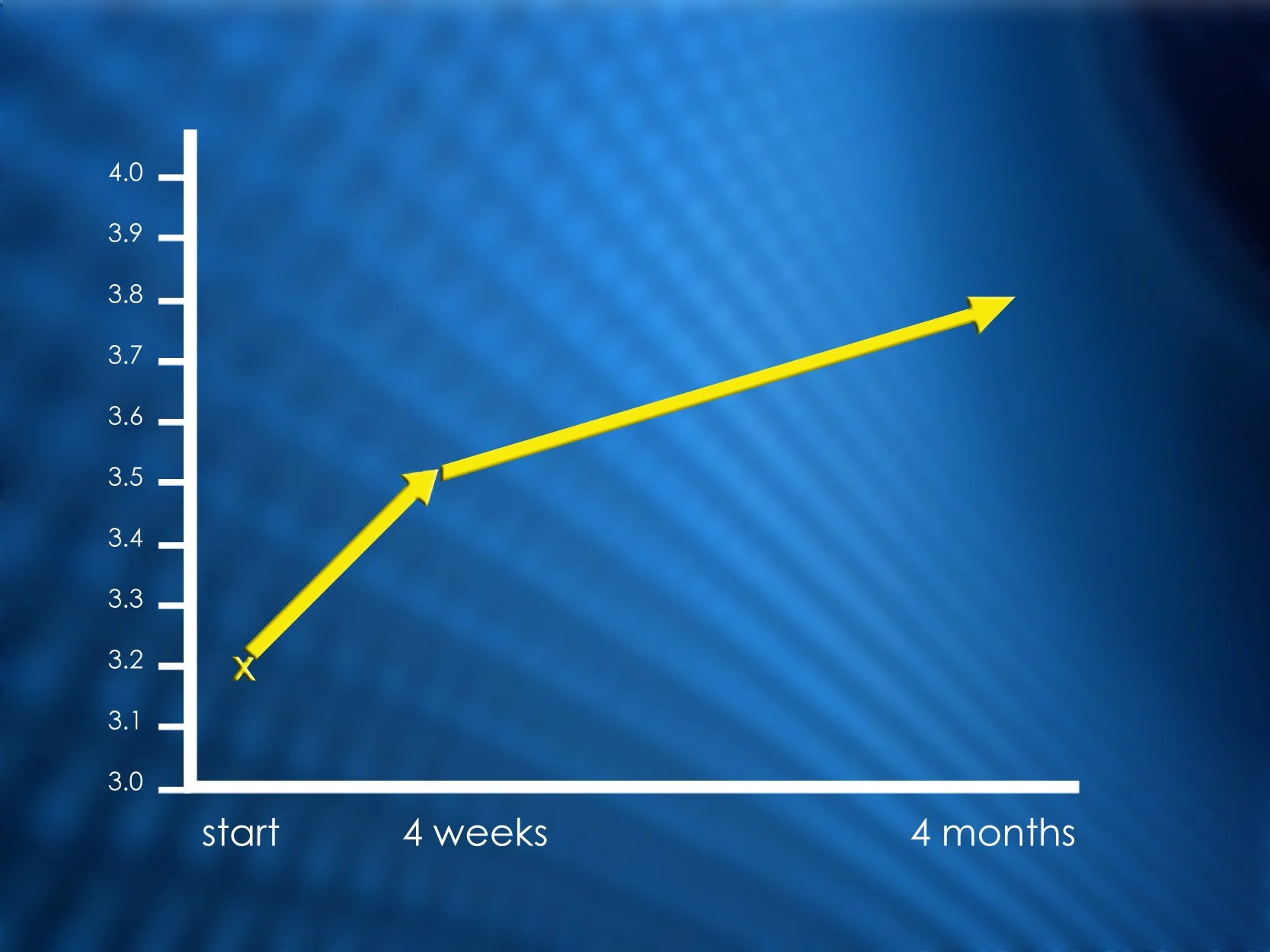
The more the bank tellers used the TUF skills the friendlier the customers became. So they used the skills more and they became helpful habits.
Who TUF Is Built For
Since those early bank sessions, TUF has been delivered to an extraordinarily wide range of groups.
Road workers. Lawyers. Senior executive teams. Front counter staff in social service agencies, local government, and public libraries. Scientists. Retail and warehouse teams. People who work with farmers. Apprentices. Students. Nurses and doctors.
If your people deal with other people under pressure, TUF is relevant.
The delivery adapts too.
In-room workshops.
Live online sessions for teams spread across the country.
A self-paced online programme used by organisations for new staff onboarding.
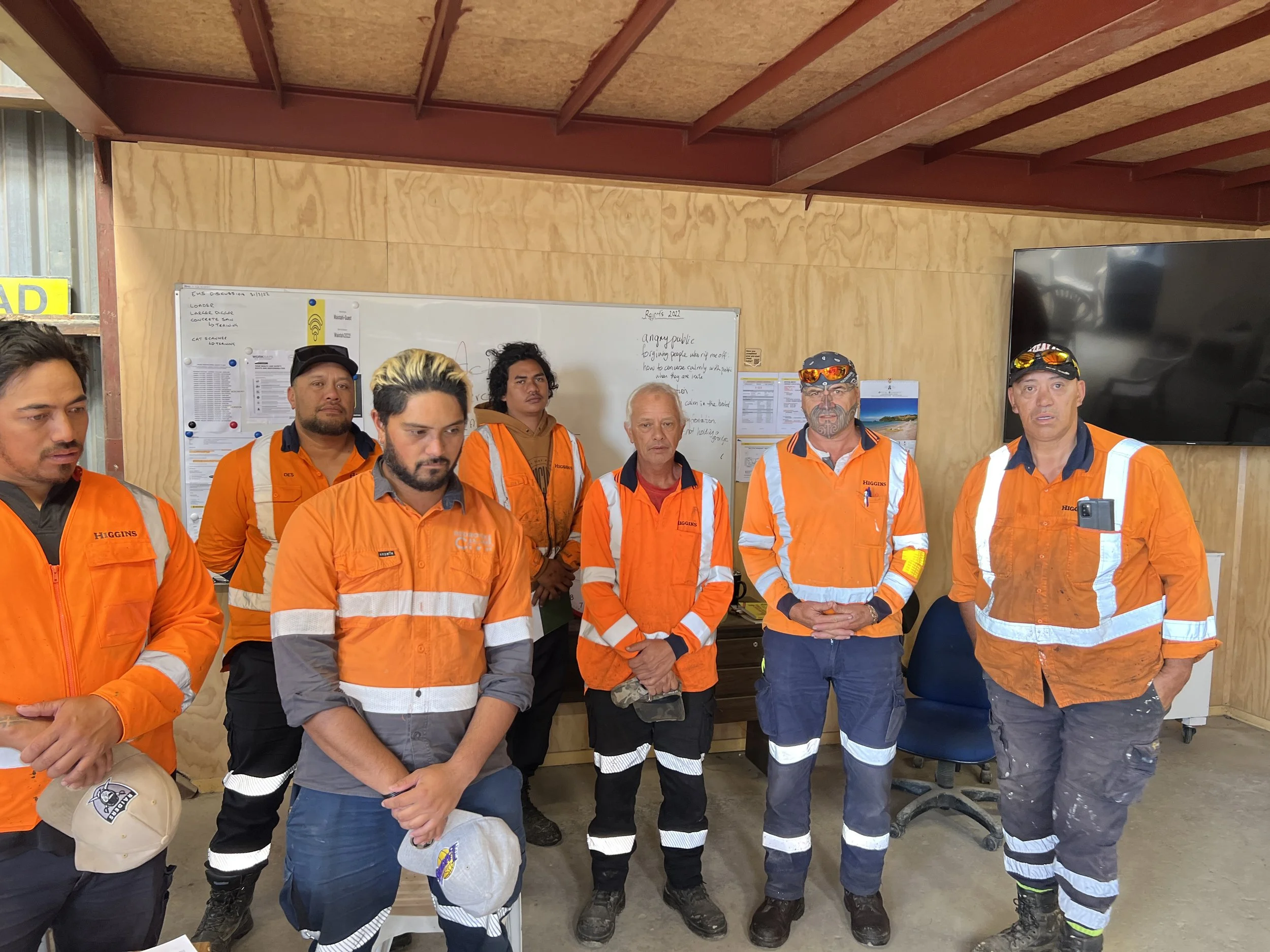
TUF Skills work everywhere! Road Workers facing angry motorists. Lawyers with upset clients.
What Your Team Will Walk Away With
After TUF training, teams consistently report the same outcomes:
They know how to de-escalate highly emotional situations. They can manage their own reactions under pressure. They support each other during and after challenging encounters. They communicate better not just with customers, but with each other.
And the skills don't fade.
Why It Matters Beyond the Workplace
Difficult interactions aren't just uncomfortable.
For many teams, they're a health and safety issue.
Staff who don't have the skills to de-escalate are exposed to verbal abuse, psychological pressure, and, in some settings, physical risk.
Organisations have a legal obligation to take practical steps to reduce that harm.
TUF training doesn't just protect your people. It gives your organisation documented evidence that you've taken those steps seriously.

Built Over 25 Years
TUF draws on adult learning principles, systems thinking, action learning, and psychodrama methodology combined with 25 years of facilitation, research, writing, and conference presentations.
It is not theoretical. It is not inspirational.
It is a trained capability that holds up under pressure
and keeps working long after the workshop ends.
If you're looking for training that will actually change how your team
handles difficult situations, book a diagnostic call and let's talk
about what your people are facing.